Modular Infrastructure · 3 Oct 2026 · 2 min read
Modular infrastructure: speed without shortcuts
Prefabrication can compress schedules, but only when integration and testing move into the factory too.

Why modular
Prefabricated power rooms, cooling skids and data hall modules move work from site to factory. The benefit is not only speed: controlled conditions improve quality and make testing repeatable.
What has to move with it
- Design freeze earlier. Factory slots require decisions to be made sooner.
- Factory acceptance testing. Integrated testing before shipment catches interface issues when they are cheapest to fix.
- Logistics and lifting. Transport limits and crane plans shape module dimensions.
The integration role
Modular delivery shifts the integration challenge rather than removing it. Someone still has to coordinate interfaces between modules, site works and operating systems, and to carry accountability through commissioning.
In short
Modular is a delivery strategy, not a product. It pays off when it is planned as one.
Planning critical infrastructure?
Talk to the SHARE NET integration team about scope, architecture and delivery.
Further reading

Operations & Lifecycle · 4 Oct 2026
Live maintenance: approve the system state, not just the task
Maintenance approval should account for temporary capacity, control dependencies and recovery—not only the equipment being serviced.
Read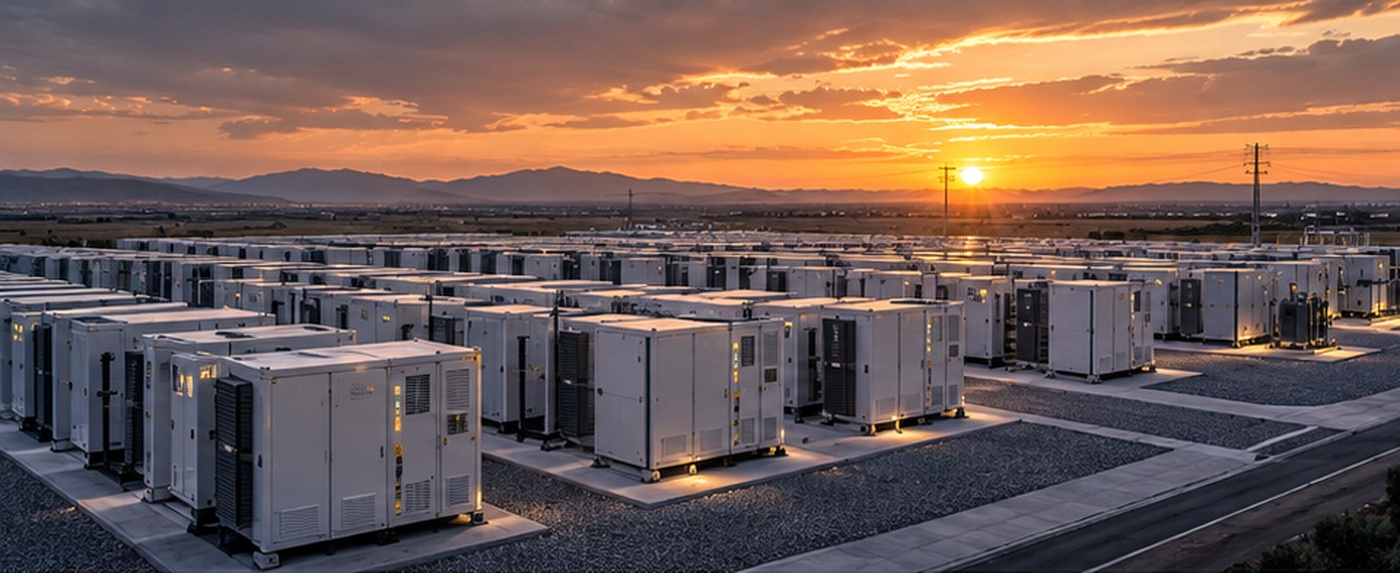
Energy & BESS · 1 Oct 2026
BESS and the data center: beyond backup
Battery energy storage is moving from a resilience add-on to an active part of how critical facilities manage power.
Read
Critical Power · 28 Sept 2026
Power is the new constraint for AI compute
Why grid access, not silicon, increasingly decides where and how fast AI capacity can be deployed.
Read